Plants shipped internationally travel bare-root: the soil is washed off, the roots are wrapped in damp moss or tissue, and the plant spends several days in a dark box. Some stress after that trip is normal. Drooping, a few folded leaves or one yellowing leaf do not mean the plant is dying. What you do in the first days decides how fast it recovers.
This guide is based on how we settle plants in our own greenhouse in Blitar. It works for a single plant at home and for a box of 100 arriving at a plant shop.
The first 24 hours
- Open the box the day it arrives. Do not leave plants in the box overnight.
- Film the unboxing. If a plant arrives dead, a continuous unboxing video and photos are what we need to replace it.
- Unwrap each plant gently. Remove the moss or tissue without pulling on the roots.
- Check the roots. Firm, light-coloured roots are healthy. Soft, brown or black roots that smell are rotten: cut them off with clean scissors.
- Remove dead leaves. Leave folded or torn leaves on for now (see below).
- Choose a recovery method for each plant, based on its roots and type.
- Keep everything out of direct sun and do not fertilise.
Choose a recovery method
Healthy roots: pot it straight away
If the roots look good, pot the plant in a slightly moist, airy mix (for aroids, a mix of bark, perlite and coco coir) in a pot only a little larger than the root ball. Water lightly, then keep it warm, bright and humid. This is the right choice for most plants.
Few or damaged roots on aroids: water or moss
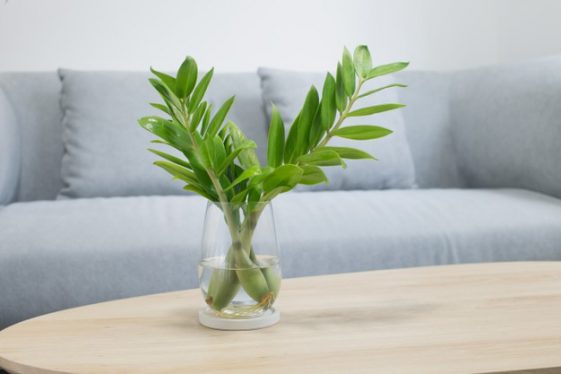
Monstera, philodendron, anthurium and other aroids with very few roots recover well in water or in moist sphagnum moss. Stand the base in clean water, change it every two to three days, and pot the plant once new roots are a few centimetres long. Our water propagation guide explains the method.
Woody plants, palms and plants that dislike wet roots: the humidity dome
Ficus, palms, shrubs and many jungle plants do not like sitting in water. For these we use the humidity dome method, described below.
The humidity dome (sungkup) method
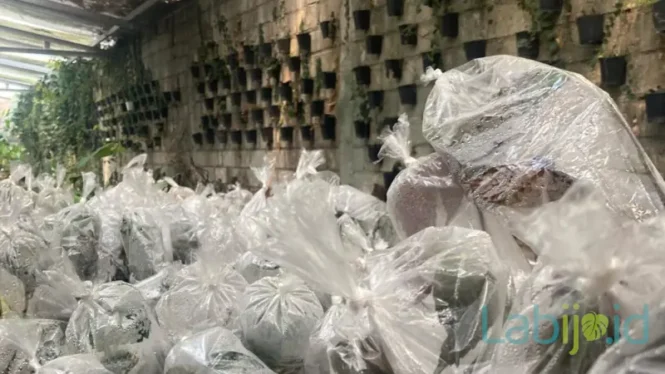
In Indonesia we call it sungkup: covering a freshly potted plant with a clear enclosure to make a small greenhouse. The plant loses much less water through its leaves while its roots re-establish, which is exactly what a bare-root plant needs.
What you need
- A clear plastic bag, a clear storage box or a large bottle with the bottom cut off
- The plant, potted in slightly moist, well-draining mix
- A few sticks or stakes to keep the plastic off the leaves
How to set it up
- Water the mix so it is damp, not wet.
- Put the stakes in the pot and place the bag or box over the plant so it does not touch the leaves.
- Place it somewhere warm with bright, indirect light. Never put a dome in direct sun: it overheats quickly.
- Open it for a few minutes every day for fresh air, or make a few small holes in the cover.
- Check daily for mould and standing water. If the inside is constantly dripping, ventilate more.
How long to keep it covered
Usually one to three weeks, until you see new growth or the plant stands firm. Then harden it off gradually: open the dome for longer each day over about a week before removing it completely.
Damaged, yellow and dead leaves
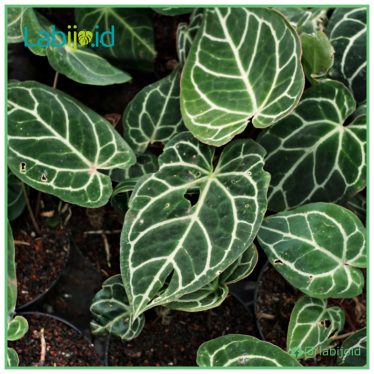
Folded or torn leaves are still working leaves. Keep them: they feed the plant while it recovers. Cut them off later, once the plant has produced new ones.
Yellow or dead leaves will not recover. Remove them so the plant does not waste energy and to reduce the risk of rot.
Plants with very few roots cannot support many leaves. If you had to cut away a lot of rotten root, keep two or three healthy leaves and remove the rest, so the plant loses less water while it regrows roots.
Dry spots on variegated plants are common after a trip. They will not disappear, but they do not spread if the plant is otherwise healthy.
Settling a wholesale shipment
For a plant shop or nursery receiving a large box, the same principles apply, with a little more organisation:
- Unpack the whole shipment on the day it arrives and sort plants by condition: ready to pot, needs water or moss, needs a dome.
- Keep new arrivals in a quarantine area away from your retail stock, and check them for pests before they join the rest.
- Pot everything within 24 to 48 hours. Label each plant as you go.
- Use 50–70% shade, high humidity and good airflow. A propagation tent or a covered bench works well for domes in bulk.
- Do not fertilise for three to four weeks, until new roots and leaves appear.
- Expect most plants to be ready for sale in two to six weeks, depending on the species.
If a plant arrives dead
We pack every plant to survive the trip, but transit is out of our hands. If a plant arrives dead, report it within 48 hours with your unboxing video and photos to [email protected]. We replace it once, shipped with your next order. Read more about how we pack and ship plants and our FAQ.
Frequently asked questions
How long does a plant take to recover after shipping?
Most plants settle within one to three weeks and start producing new leaves within four to six weeks. Slow growers such as some hoyas and woody plants can take longer.
Should I water a plant immediately after it arrives?
Pot it in slightly moist mix and water lightly. Do not soak it: fresh or damaged roots rot easily in wet soil.
Can I fertilise a stressed plant?
No. Wait three to four weeks, until it shows new roots or leaves, then start with a diluted fertiliser.
Which plants need a humidity dome?
Woody plants such as ficus, palms, shrubs and plants that dislike wet roots. Aroids with few roots usually do better rooted in water or sphagnum moss first.
Why are leaves yellowing a week after the plant arrived?
One or two older leaves yellowing is the plant shedding what it cannot support. Several leaves yellowing quickly suggests the mix is too wet or the plant is too cold.
New to buying from abroad? Read our guide to buying houseplants from Indonesia.
Buying for a plant shop? Labijo grows and exports 1,000+ tropical species from Indonesia, packed bare-root with the phytosanitary certificate included. Wholesale pricing, 25% below the catalog price, starts at 20 plants of one species or 100 plants mixed. Browse the wholesale tropical and rare plant catalog.
