Most pest problems on indoor plants start the same way: a new plant brings them in, or dry, still air lets them multiply unnoticed. The good news is that a few habits prevent most outbreaks, and the common pests can be controlled with simple, low-toxicity treatments if you catch them early.
Prevention first
- Quarantine new plants for two to four weeks, away from your other plants, and check them weekly.
- Look under the leaves and in leaf joints every time you water; most pests hide there.
- Keep leaves clean. Wipe them with a damp cloth every few weeks; dust hides pests and blocks light.
- Water to the plant’s needs. Constantly wet soil breeds fungus gnats.
- Keep humidity up. Spider mites thrive in dry, still air.
- Remove dead leaves and fallen debris from the pot.
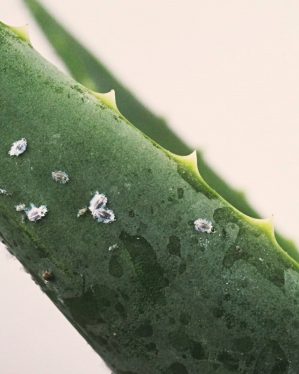
How to recognise the common pests
- Mealybugs: white, cottony tufts in leaf joints, along veins and on roots; sticky honeydew on leaves.
- Spider mites: fine pale speckling on leaves and thin webbing under them, especially in dry air.
- Thrips: silvery streaks and tiny black specks on leaves, deformed new growth.
- Scale: small brown or tan bumps on stems and leaf undersides that do not move.
- Aphids: clusters of small green, black or white insects on new growth.
- Fungus gnats: small black flies around the pot; their larvae live in wet soil.
Mealybugs in detail
Mealybugs are sap-sucking insects covered in white wax, which protects them from water and many sprays. Females lay eggs in cottony sacs, often hundreds at a time, and new nymphs hatch within one to two weeks and spread to other plants. Heavily infested plants yellow, drop leaves and stop growing.
- Isolate the plant immediately.
- Remove visible mealybugs with a cotton bud dipped in 70% rubbing alcohol, including leaf joints and the pot rim.
- Spray the whole plant with insecticidal soap or horticultural oil (such as neem oil), covering leaf undersides and stems.
- Repeat every 5–7 days for at least four weeks, because sprays do not reach every egg.
- Check the roots if the plant keeps declining: root mealybugs need a repot in fresh mix after rinsing the roots.
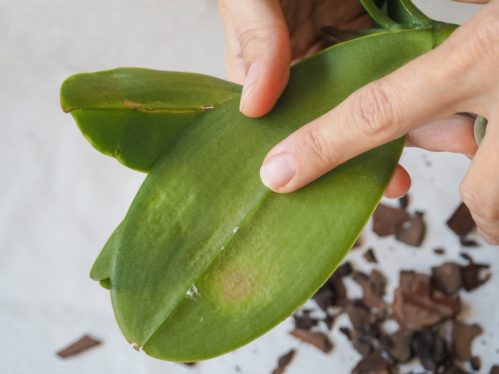
Treating other pests
- Spider mites: rinse the plant in the shower, raise humidity, then spray insecticidal soap or oil every 5–7 days.
- Thrips: cut off badly damaged growth, rinse, and spray every 5–7 days; blue or yellow sticky traps help monitor them.
- Scale: scrape off with a fingernail or alcohol swab, then treat with horticultural oil.
- Fungus gnats: let the top layer of soil dry between waterings and use yellow sticky traps for the adults.
Test any spray on one leaf first and keep treated plants out of direct sun until the leaves are dry. If you use stronger or systemic products, follow the label and your local rules.
Pests and imported plants
Plants exported from Indonesia are inspected by the quarantine agency and travel bare-root with a phytosanitary certificate, so soil pests are left behind. Still treat every new arrival as a new plant: unpack, inspect and quarantine it. Our guide on helping plants recover after shipping covers the first weeks.
Frequently asked questions
What kills mealybugs on houseplants?
Rubbing alcohol on a cotton bud for visible insects, followed by insecticidal soap or horticultural oil sprayed every 5–7 days for several weeks.
Does neem oil work on houseplant pests?
It helps against soft-bodied pests such as mealybugs, aphids and spider mites when sprayed thoroughly and repeated weekly. It works best as part of regular checks, not as a one-off fix.
How long should I quarantine new plants?
Two to four weeks, checking under the leaves and in the leaf joints every few days.
Buying for a plant shop? Labijo exports tropical plants from Indonesia with the phytosanitary certificate included. Browse the wholesale tropical and rare plant catalog.
